Philosophy
How I work.
What it means for you.
The homepage is the pitch. This is the reasoning underneath it, and what that reasoning changes about working together.
01 — Who you'd work with
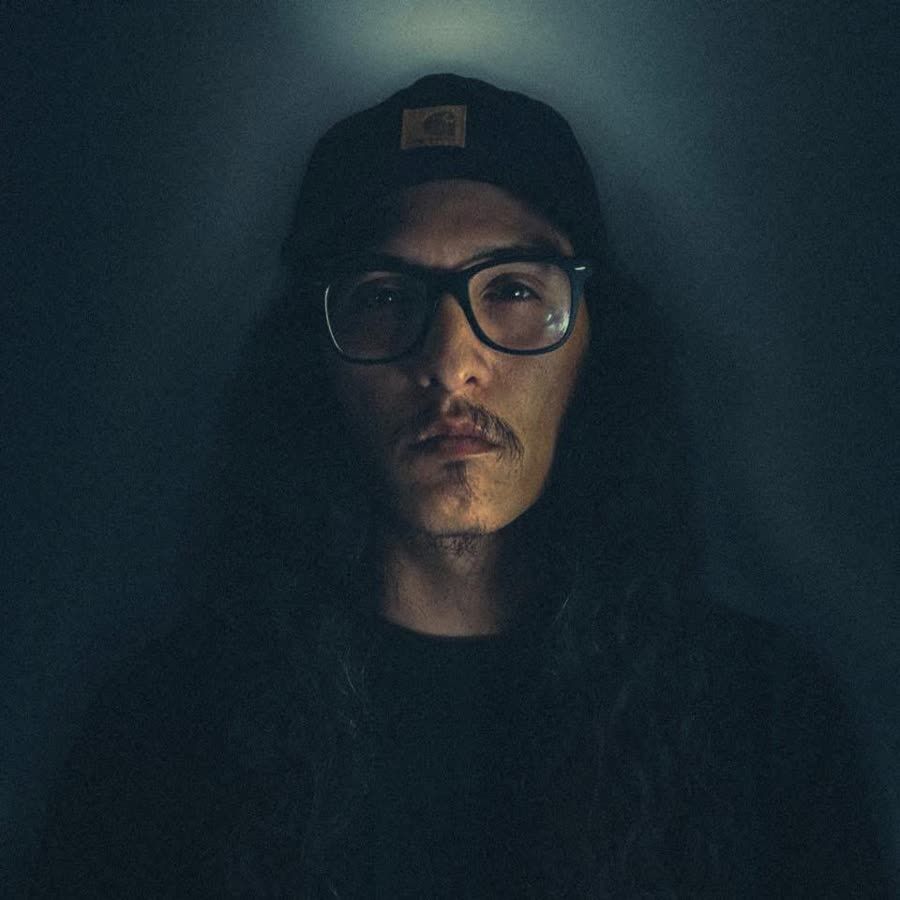
I'm Gabe. I didn't set out to build an agency. I kept ending up in the middle of problems bigger than the job I was hired for.
A camera job became content. Content became marketing. Marketing became strategy, then figuring out why something wasn't working in the first place. Inside every business I found the same thing: more value than anyone was looking at. Old content. Existing customers. A story nobody had told properly. That's the part I got interested in. Not just making the thing, but working out what the thing actually needed.
- Who
- One operator, start to finish
- Covers
- Strategy, identity, web, film, email & SMS
- Based
- Fresno, CA, working with brands across the US
- Replies
- Within two business days, from me
02 — What I believe
Six beliefs, and what each one changes for the brand on the other side of the table.
-
01
Dig before you build.
Most marketing starts with “what should we make?” I start with “what do we already have?” Years of content, a list nobody's using properly, a post that quietly outperformed everything else. Sometimes the honest answer is that most of it needs to go. Either way, you know what you're working with before you spend on anything new.
For youThe first two weeks are an audit, not a production bill. You keep what works and stop paying for what doesn't.
-
02
Cut to order.
More content, more platforms, more gear, more people. None of it is automatically better. Sometimes you need more. Sometimes you need to cut half of it away. The hard part is knowing which.
For youScope is sized to the problem. Nothing gets added to make a project look bigger.
-
03
Taste is part of the strategy.
Strategy tells you what needs to happen. Taste tells you what shouldn't: when a line is trying too hard, when “professional” has become another word for forgettable. Authenticity isn't a rough filter either. It's the thing that's already yours, left un-sanded.
For youThe work sounds like you on your best day, not like your category. There's a visible decision in every piece.
-
04
People before platforms.
Feeds change. Algorithms change. Accounts get pulled. People still remember how a brand made them feel. Attention gets you noticed; trust gets you remembered.
For youWe build what you own (your list, your site, your voice), so one platform ban can't take the business down with it.
-
05
The numbers still matter.
Reality gets a vote. But a number is an observation, not a strategy. The useful question isn't “did it work?” It's “what did it teach us?”
For youYou see what worked, what got cut and why, in plain language rather than a dashboard dump.
-
06
Repetition builds edge.
Photography taught me to look. Skating taught me to commit. You don't get good by getting it right once. You shoot it again, cut the weak part, try another angle, and watch what happens.
For youThe first cut isn't the last. The work keeps getting sharper after launch instead of being handed over and left.
03 — What working together is like
No black box. At every stage you know what you're doing, what I'm doing, and what you get.
Tell me what's going on, messy version is fine.
Read it myself. No form reply pretending to be a person.
A real answer within two business days, including “I'm not the right fit” if that's true.
Share access. Don't clean anything up first; the mess is the material.
Go through everything you've built. One real early finding by day three.
Ranked findings, a 90-day plan and a recorded walkthrough. Credited in full if we keep going within 30 days.
Talk. The story, the customers, what you'd never say.
Find the voice that's already there. Nothing gets produced yet.
A brand that's been named out loud, and everyone agrees on it.
Review and sign off on the system.
Build the system around the voice.
Voice guide, content pillars, templates, calendar, lifecycle map.
Approve the first batch.
Shoot, write, design and build inside the system.
Content that's live, and a system that makes the next batch faster.
Run the business.
Maintain, measure, optimize. Automate what can be.
A system that improves instead of drifting back to where it started.
- One person. No hand-offs between vendors who've never spoken to each other.
- You hear from me. I don't go quiet for two weeks and resurface with a deck.
- Compliance is structural. Consent and platform rules are built in from the first field, not bolted on.
- Human judgment. Tools get used where they help. Direction, editing and the final call stay human on every piece.
The tools behind it
About seven hours of content, across eleven touchpoints, on four platforms, before anyone trusts a brand enough to buy. So touchpoints get planned, not left to chance.
The Lifecycle OS → Audit 80/20Twenty percent of what a brand already does drives most of its results. Almost nobody has measured which twenty percent. That gets found first, then doubled down on.
Run the free self-audit → In practice The RouteThe system built out across email and SMS for one cannabis delivery brand, step by step, with the numbers it produced.
See the build →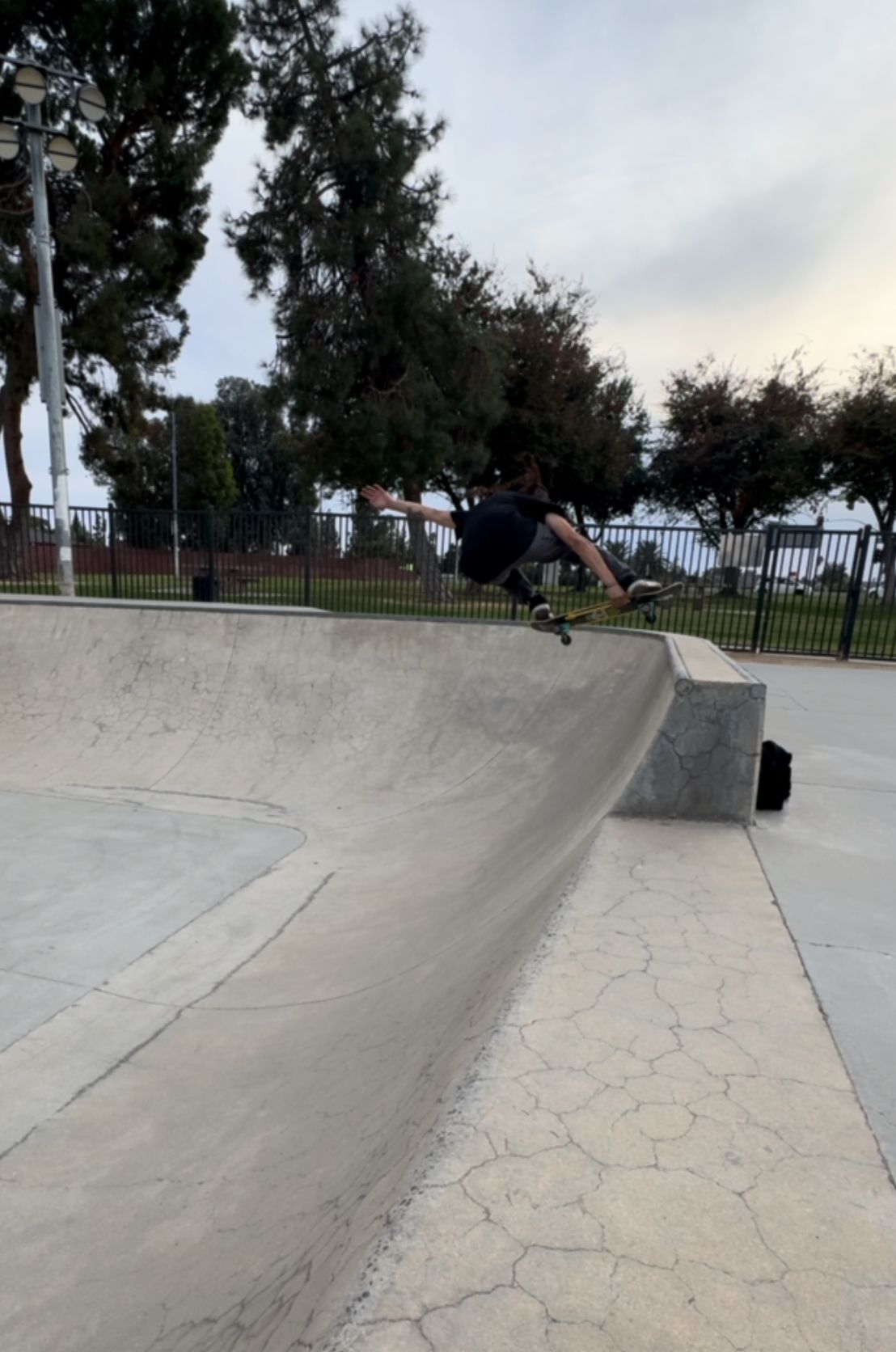
Where this comes from
Not from a book. From a skatepark, a job nobody meant to give me, and a lot of junkyards.
The skatepark
Pick a line, commit, miss, get up, go again. The twentieth attempt looks effortless to anyone who arrived late. Being willing to look stupid in the middle of it is the actual skill.
The department
I was brought into a cannabis delivery brand to do one thing, and ended up running the app listing, packaging, sends and the whole brand. Four people can each do their job right and still produce something that doesn't work, because nobody sees all of it at once.
The junkyard
Every one I've been in is full of things that still run, priced as scrap because nobody checked. What you've already built is the only material nobody else can copy.
04 — Questions
Where does working together actually start?
Either a 15-minute call to see if it fits, or The Dig: a two-week, $1,500 audit of everything you've built, credited in full against the project if we keep going within 30 days. Most brands start with The Dig, because it answers what you actually need before anyone prices it.
Will I lose control of my brand's voice?
The opposite. Nothing gets produced until your voice is found and written down, and you sign off on it. The point is that it sounds more like you, not more like me.
What if I only need one piece: just email, just video, just a refresh?
That's fine. It still starts by looking at what exists, and that often shows the job is narrower and cheaper than expected. I'll say so if it is.
How much of my time does it take?
Most of it goes into the Teardown conversations and sign-offs at each stage. The rest runs on my side, and you hear from me rather than having to chase.
Do you use templates or AI?
Tools get used where they genuinely help, same as a camera or a laptop. What doesn't happen is shipping something nobody thought through. Direction, editing and final judgment stay human on every deliverable.
How is this different from an agency?
One person sees the whole picture, from strategy to camera to inbox, instead of a project split across teams who've never spoken. And it's audit first, so you pay to find out what works before paying to make more.
Is it only for cannabis?
No. Most of the work has been cannabis, delivery, dispensary and events brands, plus craft drinks and other regulated businesses. The thinking isn't industry-specific: it fits any brand that has something to say. Regulated brands just feel the platform restrictions hardest.
This is Junkyard Butcher